NEW ROOTS
EATON CANYON PILOT PROGRAM
Who
Homeowners whose primary residence is in the unincorporated areas of Altadena and Pasadena
What
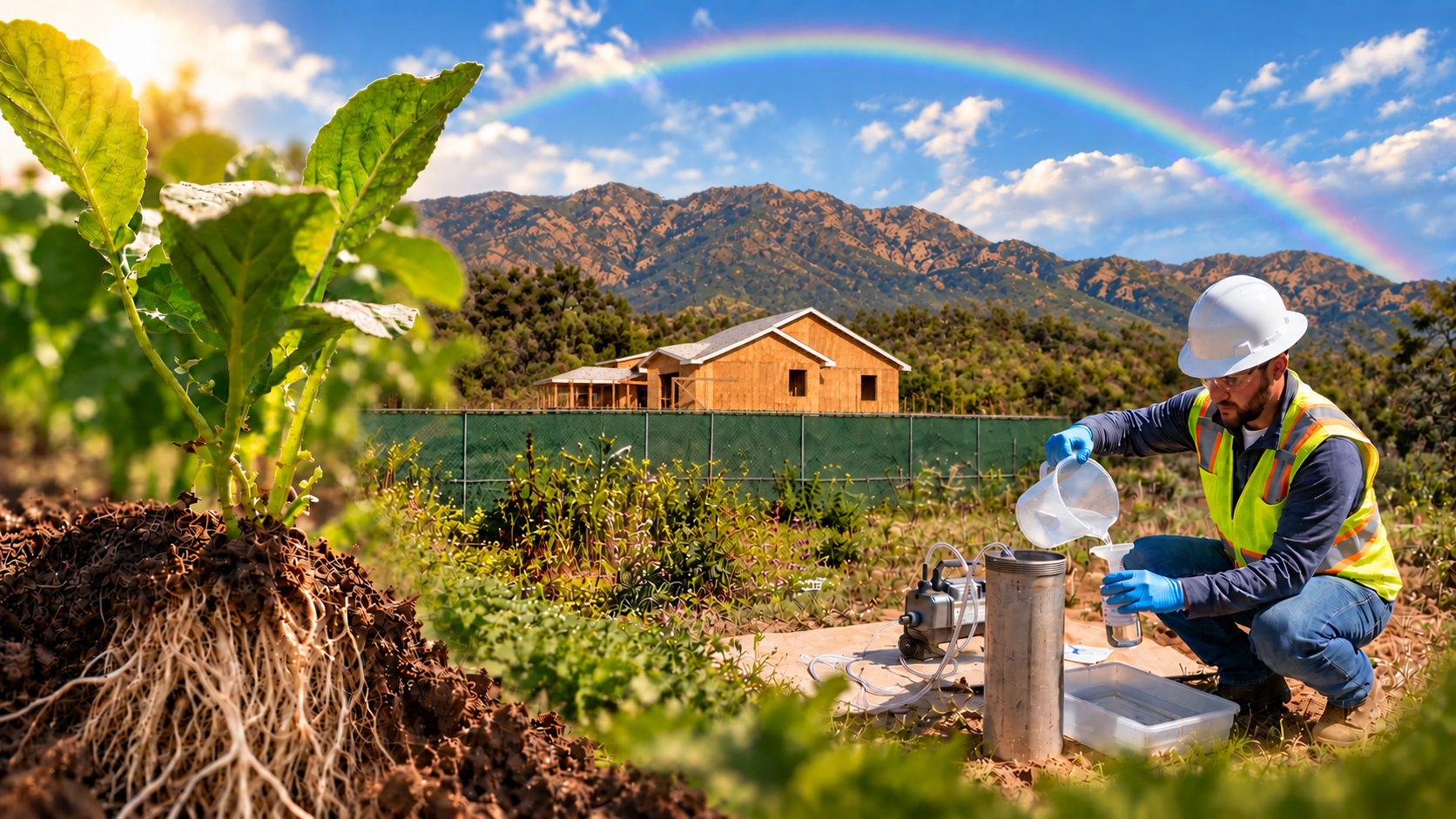
Grant funds to remediate lead contamination from exterior areas with bare soil.
When
Applications for this Program will only be accepted from October 21, 2026 at Noon, to November 23, 2026 at Noon
How
Read the guidelines and FAQs below for further details prior to submitting an application.
Purpose
The New Roots Eaton Canyon Pilot Program is designed to help wildfire-impacted homeowners with an opportunity to test and remediate lead-contaminated soil present at their primary residence.
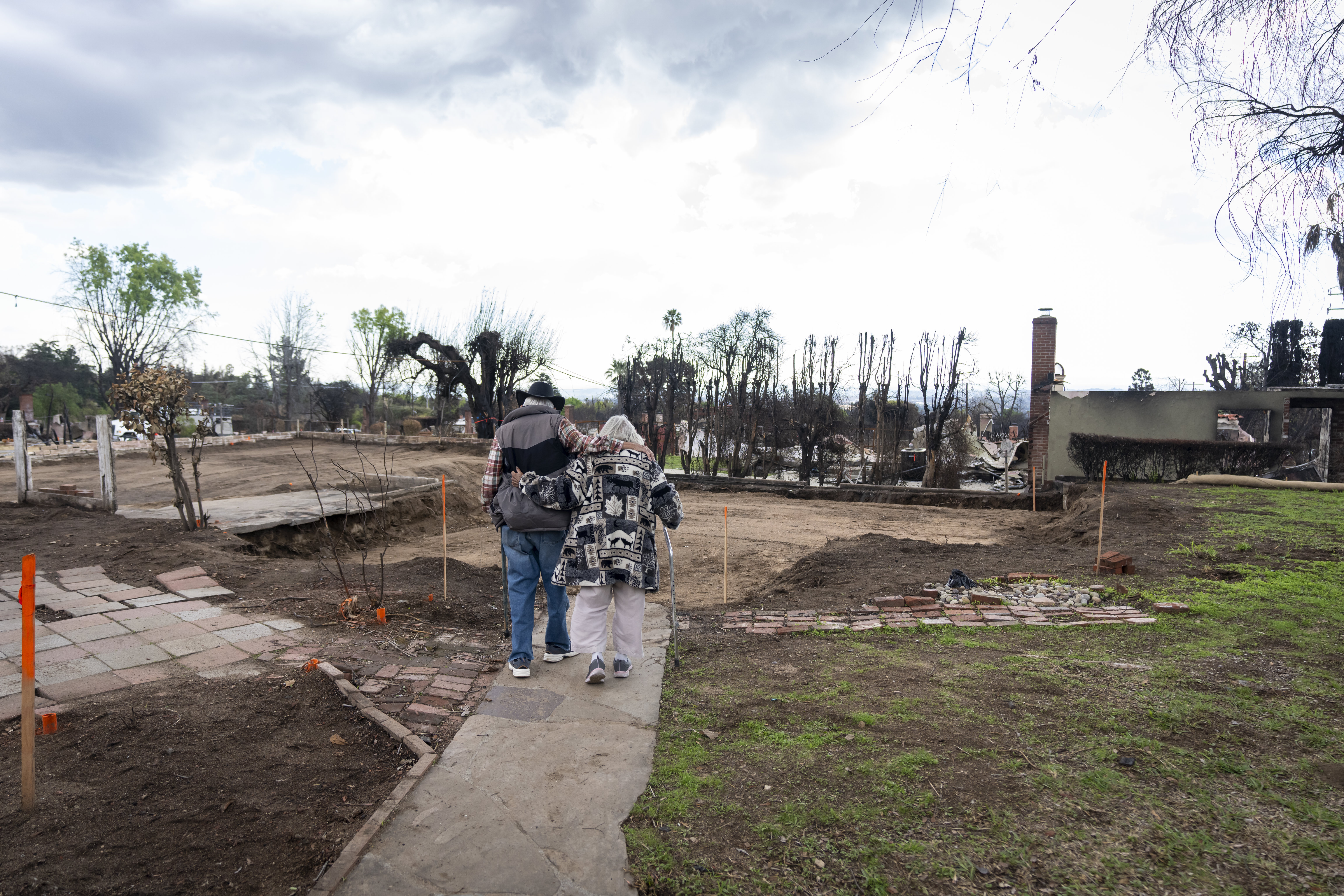
This pilot initiative aims to protect community health, restore property safety, and promote long-term resilience by offering targeted assistance to households recovering from wildfire-related environmental impacts in the Eaton Canyon fire.
Application Selection Method
Services will be prioritized in the following order:
- Households with a pregnant household member or children age six and under
- Households with children under the age of six that regularly visit the home
- Households with a member with elevated lead levels in their blood
- Households with children 6 through 17 years old
- Households with an elderly person or a person with disabilities
Program Details
Homeowner(s) authorize the LACDA and/or its consultant to verify the accuracy of information provided in connection with the Grant Application.
Grant Details
- Each approved application shall not exceed $60,000.
- The LACDA will allocate grant funds to remediate lead contamination from exterior areas with bare soil.
- Grant Applicants will be given a maximum of five (5) business days to provide any missing information. Failure to provide needed documentation will constitute forfeiture of application.
Required Documentation
- Grant Application
- Valid Government issued Identification with photo
- Most recent Utility Bill in Homeowner's name
- Copy of the Property Tax bill
- Any additional documentation deemed necessary.
Certifications
- Confirmation that the property has been their primary residence since January 7, 2025;
- Acknowledgement that no other resident will be to receive a grant for the same property;
- Acknowledgement that the information provided in the application is true and correct under penalty of perjury;
- Acknowledgement that any false statements may constitute a crime and may be prosecuted under applicable law; and
- Agreement to return any grant funds obtained through fraud or error within ten (10) days of notification.
General FAQs
Do I qualify if I do not live in Altadena?
The Altadena Soil Remediation Pilot Grant Program (Program) is only available to Property Owners who reside in their home within the community of Altadena and parts of unincorporated Pasadena.
I am a renter. Can I apply?
No. This Program is only offered to property owners who live on the property.
Who will oversee the project?
LACDA will oversee the soil remediation from testing through remediation.
How long will the remediation process take?
Some remediation methods require equipment and access to your property, which may cause temporary disruptions. However, teams typically coordinate closely with Property Owners to minimize any impact on daily activities and property use.
Will the work disrupt my daily activities or property use?
Molestie a iaculis at erat pellentesque adipiscing commodo. Dignissim suspendisse in est ante in. Nunc vel risus commodo viverra maecenas accumsan. Sit amet nisl suscipit adipiscing bibendum est. Purus gravida quis blandit turpis cursus in
What documents will I have to provide?
A Property Tax bill is required as proof of ownership and a recent utility receipt.
What documents will I have to sign?
ou will need to sign a Grant Agreement, acknowledging and agreeing to the Program guidelines and eligibility requirements.
Will this Pilot Program be offered again?
Future funding opportunities are being explored to expand level of assistance to include more homeowners.
Can my property be fully used again after cleanup, and are there restrictions?
Yes, your property can be used again after cleanup; however, ongoing maintenance is required. As the Property Owner, you must ensure the soil remains covered and promptly re-cover any areas where bare soil becomes exposed.
Remediation FAQs
What is soil remediation?
Soil remediation is the process of removing, reducing, or containing contaminants in soil to restore it to safe and usable conditions.
Why is soil remediation necessary?
Contaminated soil can pose risks to human health, groundwater, plants, wildlife, and future land use. Remediation helps ensure environmental safety and regulatory compliance.
Who is responsible for paying for the soil remediation, and will I incur any costs?
LACDA will pay contractors directly for testing and remediation. Property owners will not have to cover costs of testing or remediation. Property owners will be required to enter into a Owner Participation Agreement prior to executing a Grant Agreement to allow LACDA and its contractors to have access to the property for soil testing and remediation.
How is the soil tested?
Soil testing involves collecting samples and sending them to a certified laboratory, where they are analyzed to provide a detailed report of the lead levels present in the soil.
What remediation methods are used?
Remediation methods vary depending on the level of contamination and site conditions. Common approaches may include but are not limited to: • Removing the top 6–12 inches of contaminated soil and replacing it with clean fill. • Covering exposed soil with grass, rock, or mulch to reduce contact and prevent lead exposure.
What is the health or environmental risks if the soil is not remediated?
If children or pregnant women are exposed to elevated lead levels, they can face serious health risks. In children, lead exposure may impair brain development, lower IQ, reduce memory and attention span, and increase hyperactivity and learning delays.
Who are the professionals completing the remediation?
The remediation work is performed by licensed and certified lead abatement contractors.
What permits or regulatory approvals are required?
No permits or regulatory approvals are required from the residents, other than meeting all application requirements.
How will you verify that the soil is safe after remediation?
The soil will be re-tested after remediation to ensure it meets Environmental Protection Agency‑approved safety levels.
Can my property be fully used again after cleanup, and are there restrictions?
Yes, your property can be used again after cleanup; however, ongoing maintenance is required. As the Property Owner, you must ensure the soil remains covered and promptly re-cover any areas where bare soil becomes exposed.
© Copyright 2026 New Roots Eaton Canyon Pilot Program All Rights Reserved